Introduction: The Surprising Breakfast Mistakes We Make
Many individuals begin their day in haste, often making breakfast choices that can be detrimental to their overall health. Although breakfast is frequently touted as the most vital meal of the day, many people inadvertently sabotage their mornings by opting for foods that may not nourish their bodies effectively. This can lead to significant energy crashes, mood swings, and poor dietary habits throughout the rest of the day.
A prevalent misconception is that any food labeled as breakfast can provide the necessary sustenance to fuel the body for a productive day. However, this notion overlooks the critical aspects of nutrition and the importance of selecting wholesome foods. For instance, items high in sugars or refined carbohydrates may give a quick boost of energy but can result in a rapid decline in blood sugar levels shortly thereafter, leading to fatigue or irritability. Conversely, a balanced breakfast rich in proteins, healthy fats, and fiber can establish a stable energy level throughout the morning.
The choices made at breakfast have profound implications beyond just energy levels; they can significantly influence long-term health. Consuming nutrient-dense foods can enhance cognitive function, improve metabolic rates, and lower the risk of chronic diseases. Consequently, recognizing the strategic role of breakfast in daily nutrition is essential for optimal physical and mental performance. As we delve into this topic, we will uncover specific foods that are often mistakenly chosen in the morning, highlighting healthier alternatives that can better support wellness.
Sugary Cereals: Sweet Mornings, Sour Results
Sugary cereals have long been a popular choice for breakfast, largely due to their enticing flavors and convenient preparation. Many individuals, especially busy families, gravitate toward these brightly packaged cereals, which are marketed as a quick and tasty morning meal. However, beneath the alluring exterior lies a not-so-pleasant truth concerning their nutritional profile.
The main issue with sugary cereals is their high content of refined sugars. Consuming these cereals can lead to a rapid spike in blood sugar levels, triggering a surge of energy shortly after breakfast. However, this is often followed by an equally rapid drop in blood sugar, a phenomenon known as an energy crash. This fluctuation can result in feelings of lethargy, irritability, and decreased concentration—outcomes that are far from ideal for starting your day.
Moreover, frequent consumption of high-sugar cereals has been linked to weight gain and increased risk of chronic illnesses such as type 2 diabetes and heart disease. The body tends to store excess sugar as fat, contributing to an unfavorable caloric surplus, which can hinder weight management efforts.
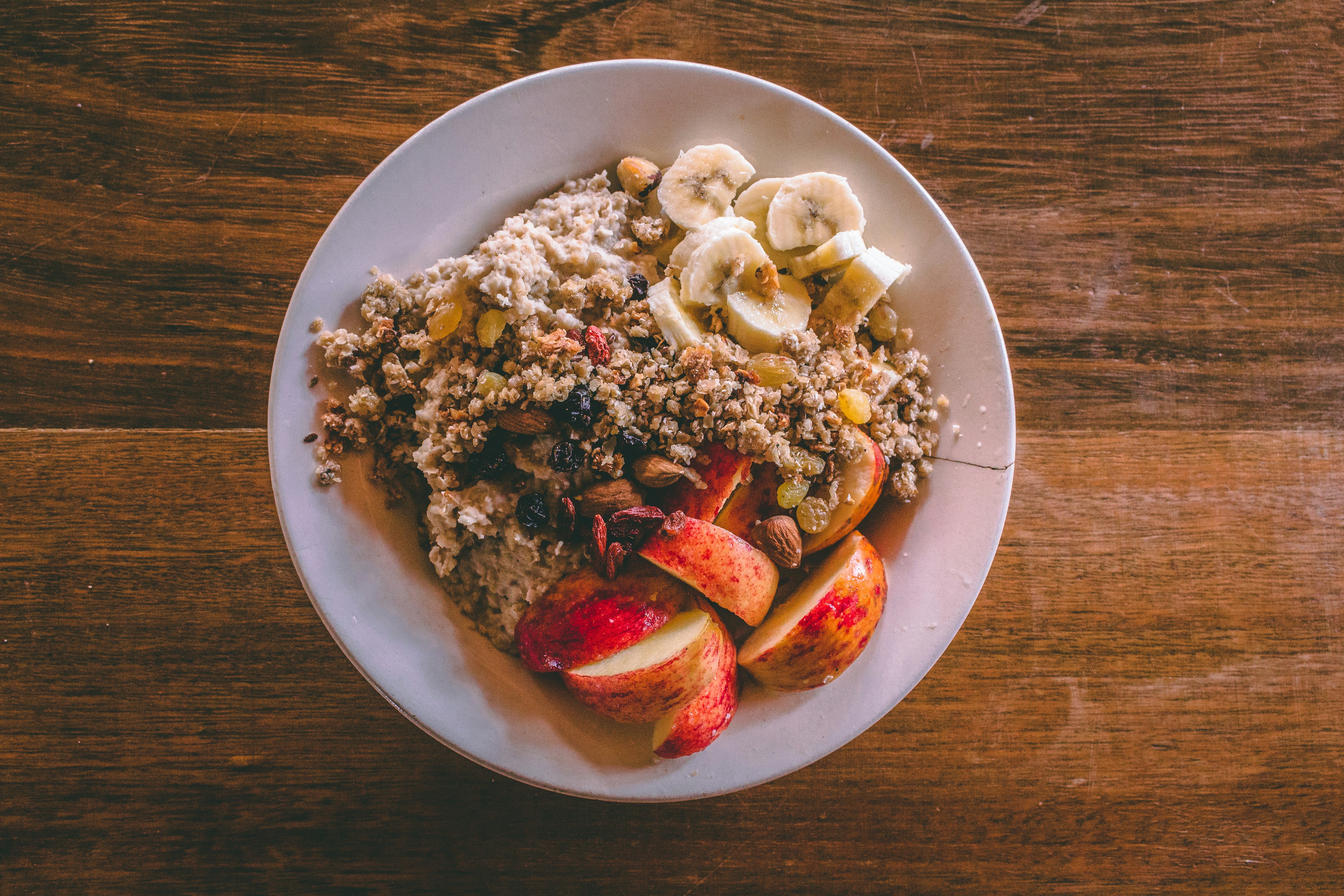
In light of these considerations, it is essential to seek healthier breakfast alternatives that can offer sustained energy without the adverse effects. One nutritious option is oatmeal, which is rich in fiber and can be topped with fruits, nuts, or seeds to enhance its flavor and nutritional value. This wholesome breakfast choice focuses on complex carbohydrates and natural sugars, providing a steadier energy release for the morning, ultimately promoting better concentration and overall well-being.
Pastries: The Flaky Breakfast Trap
Pastries are often seen as a tempting quick breakfast option, appealing to the senses with their flaky texture and sweet aroma. Their convenience, combined with a diverse array of flavors, makes them popular among those who are pressed for time in the morning. However, indulging in pastries regularly can lead to serious health repercussions. The primary ingredients in many pastries include highly refined flour and sugars, which can trigger rapid spikes in blood sugar levels.
When consumed, these refined carbohydrates are quickly converted into glucose, leading to a surge in energy followed by a subsequent crash. This rollercoaster effect can leave individuals feeling fatigued and hungry shortly after eating, prompting them to reach for more quick fixes. Additionally, the high sugar content can contribute to less-than-ideal metabolic health, ultimately increasing the risk of chronic conditions such as type 2 diabetes and obesity over time.
Fortunately, there are healthier alternatives that provide the convenience of a quick breakfast without compromising nutritional value. For instance, whole grain muffins are an excellent substitute, as they are made from less processed ingredients and include more fiber, which aids in digesting and stabilizing blood sugar levels. A homemade breakfast bar filled with nutritious ingredients such as oats, nuts, and dried fruits can also serve as a satisfying option, packed with beneficial vitamins and minerals to fuel the body throughout the morning.
Incorporating these wholesome options into your morning routine can help ensure a more balanced start to your day, steering clear of the potential pitfalls associated with regular pastry consumption.
Pancakes: A Stack of Sugar and Refined Carbs
Pancakes are a popular breakfast choice, often cherished for their fluffy texture and sweet flavors. They are a staple in many households, enjoyed with syrup, butter, or fruit. However, despite their appealing taste and tradition, pancakes come with significant drawbacks that can impact overall health. Traditional pancakes are typically made with refined flour and can be laden with sugar, making them high in calories yet low in essential nutrients.
Research has shown that consuming high-sugar and refined carbohydrate foods can lead to fluctuations in blood sugar levels, which may result in energy crashes and cravings for more sugar throughout the day. A study published in the “American Journal of Clinical Nutrition” indicated that such dietary patterns are linked to weight gain and a greater risk of chronic diseases. While pancakes may satisfy immediate cravings, their lack of nutritional value could lead to adverse effects on energy levels and overall well-being.
Instead of traditional pancakes, consider incorporating healthier alternatives that provide greater nutritional benefits. Whole grain pancakes, for instance, offer more fiber, which can aid digestion and promote a feeling of fullness. Alternatively, protein-packed pancakes made with ingredients like oats, eggs, or cottage cheese not only enhance the nutrient profile but also help maintain steady energy levels throughout the morning. Such variations can be easily prepared at home, allowing individuals to enjoy the delightful essence of pancakes without compromising their health. By opting for these nutritious versions, one can enjoy a fulfilling breakfast that supports overall wellness.
Juice: The Deceptive Sweet Drink
Fruit juice is often perceived as a healthy breakfast choice, with many people believing it to be a nutritious start to their day. However, this common belief overlooks significant nutritional differences between whole fruits and their juiced counterparts. When fruits are juiced, the process removes much of the beneficial fiber content, leading to a beverage that is higher in sugar and calories than one might expect.
The absence of fiber in fruit juice has crucial implications for health, particularly concerning blood sugar levels. Fiber plays a vital role in moderating the absorption of sugar into the bloodstream. Consequently, consuming fruit juice can result in rapid spikes in blood sugar, potentially leading to crashes in energy later in the day. This effect is further exacerbated when juice is used as a substitute for whole fruits, which provide a slower release of sugars due to their fiber content. Therefore, while a glass of orange juice may seem like a refreshing and wholesome option, it can ultimately be detrimental to overall health.
Fortunately, there are healthier alternatives that can provide the nutritional benefits without causing sharp increases in blood sugar. Smoothies, for example, can be made by blending whole fruits with leafy greens, nuts, or seeds. Such smoothies not only retain the fiber of the whole fruits but also offer a well-rounded nutritional profile, including vitamins, minerals, and healthy fats. Incorporating greens into smoothies enhances their nutritional density while keeping the sugar content in check. These alternatives can foster stable energy levels throughout the morning without the drawbacks associated with fruit juice.
Breakfast Bars: The Hidden Sugars and Fats
Breakfast bars have become a staple for many, praised for their convenience and perceived health benefits. Designed to be a quick and easy option for those on-the-go, these bars often masquerade as a healthy choice. However, not all breakfast bars are created equal. Many of the popular varieties found on supermarket shelves are laden with hidden sugars, unhealthy fats, and preservatives. These additives may enhance the flavor or prolong shelf life but can counteract the wholesome intentions behind choosing a breakfast bar.
Upon closer inspection of the ingredients list, it is not uncommon to find high fructose corn syrup or cane sugar listed among the first few ingredients. These sugars contribute to unnecessary calorie intake and can lead to energy crashes later in the day. Additionally, some breakfast bars contain trans fats or palm oil, which are associated with heart disease and other health issues. While the exterior packaging may highlight protein content, one must be wary as these numbers are often inflated to overshadow the less desirable components.
For those looking to maintain a balanced diet and avoid these hidden ingredients, consider making your own breakfast bars at home. A nutritious homemade option can include wholesome ingredients such as oats, nut butter, and dried fruits. Not only do these alternatives come without the questionable additives, but they also provide essential nutrients and healthy fats that will keep you satisfied throughout the morning. By customizing your ingredients, you can ensure that your breakfast bars not only taste great but also align with your dietary goals.
Smoothies with Added Sugars: The Sweet Trap
Smoothies have surged in popularity due to their appealing branding as a health-conscious choice and their delicious flavors. Many individuals are lured into purchasing commercially prepared smoothies, believing that they are nutritious alternatives to breakfast. However, the reality is often different; many of these smoothies are loaded with added sugars and calories, detracting from their supposed health benefits. It’s essential to discern the difference between genuinely nutritious smoothies and those that contribute to excessive sugar intake.
Commercial smoothies can be deceivingly high in sugar content, often containing syrups or sweetened yogurts that significantly increase their caloric value. For instance, a popular fruit smoothie might seem like a healthy breakfast option, but it may contain upwards of 30 grams of sugar, largely derived from additives rather than the natural sugars found in fruit. This dramatic increase in sugar can lead to energy crashes, fluctuating blood sugar levels, and cravings for more unhealthy foods throughout the day.
To sidestep the pitfalls of added sugars and create a genuinely nutritious smoothie, consider crafting your own using whole ingredients. A well-balanced smoothie should include sources of protein, fiber, and healthy fats. For protein, options like Greek yogurt or plant-based protein powders can be beneficial. To incorporate fiber and to promote satiety, consider adding leafy greens like spinach or kale, along with fruits that provide natural sweetness, such as bananas or berries.
In addition, incorporating a healthy fat source, such as avocado or nut butters, can enhance the smoothie’s nutrition profile and provide lasting energy. By taking a homemade approach, you not only avoid unnecessary added sugars but also tailor the flavors and ingredients to meet your specific dietary needs. This way, smoothies can remain an enjoyable and healthful part of your morning routine.
7. Coffee with Sugar and Cream: The Mistaken Morning Boost
Among the most popular breakfast choices, sugary coffee drinks have found a significant place in the morning routines of many individuals. These coffee concoctions, often laden with sugar and cream, are favored for their perceived ability to provide a quick energy lift. The combination of caffeine and sugar creates an immediate sensation of vigor, prompting many to believe this is the ideal way to kickstart their day. However, the reality is quite different, as the high sugar content can lead to adverse health effects and energy crashes.
Excessive sugar consumption, especially in the morning, can disrupt blood sugar levels, leading to fluctuations that may result in irritability and fatigue. Moreover, many individuals may not realize that these beverages can pack in far more calories than a nutritious breakfast should contain. Relying on sugar-laden coffee can establish a cycle of dependence, where one feels compelled to seek out additional sources of sugar for sustained energy throughout the day.
Rather than opting for coffee packed with sugar and cream, consider alternatives that can enhance energy levels without the negative consequences. Black coffee serves as a robust option, providing the stimulating benefits of caffeine without the added sugars. For those who prefer a hint of sweetness, natural sweeteners like stevia or monk fruit can be utilized. Additionally, incorporating healthy fats such as coconut oil or grass-fed butter into your coffee can further promote mental clarity and sustained energy. These options not only support overall health but also contribute to a more balanced start to the day.
Conclusion: Making Better Breakfast Choices
As discussed throughout this article, the foods we consume in the morning significantly impact our energy levels, concentration, and overall well-being. This makes mindful breakfast choices particularly crucial for starting the day on a positive note. Foods high in sugar, refined carbohydrates, and unhealthy fats can cause energy crashes and hinder optimal performance, both mentally and physically.
Instead, it is advisable to prioritize healthier options that are nutrient-dense and promote sustained energy throughout the day. Incorporating whole grains, lean proteins, healthy fats, and plenty of fruits and vegetables can help set a solid foundation for your meals. Experimenting with alternatives such as oatmeal, Greek yogurt, or smoothies filled with leafy greens can be an excellent way to switch up your morning routine and discover new favorites.
We encourage you to take action by trying the healthier alternatives outlined in this post and observing how they affect your body and mind. Remember, a nutritious breakfast plays a vital role in your day-to-day life, impacting not just your immediate energy but your long-term health. We would love to hear your experiences! Share your favorite breakfast recipes or tips in the comments below, and let’s inspire each other to make better breakfast choices that fuel our days effectively.
Frequently Asked Questions
Choosing the right foods for breakfast can significantly impact your day. Many individuals often wonder, “What is the best food to eat in the morning?” Nutrient-dense options such as whole grains, high-fiber fruits, and protein-rich foods like Greek yogurt are excellent choices that provide sustained energy and support metabolic health.
Another common concern is how to reduce sugar in breakfast foods. One effective strategy is to opt for natural sweeteners like fruit, or to select unsweetened versions of oatmeal and yogurt. Avoid processed cereals or pastries that often contain hidden sugars, as they can lead to energy crashes later in the day.
Are eggs a healthy breakfast option? Yes, eggs are a great source of protein and contain essential nutrients such as vitamins D and B12. They can help in maintaining muscle mass and keeping you satiated, making them a beneficial choice for breakfast.
Some may wonder if it is acceptable to eat the same breakfast every day. While repetition can simplify meal planning and ensure nutritional adequacy, it is beneficial to incorporate variety over time. This approach can provide different nutrients and help prevent dietary boredom.
The importance of breakfast in weight loss has been debated. Studies suggest that those who eat breakfast often have an easier time managing their weight, as it can help regulate hunger and prevent overeating later in the day.
If you’re in need of quick breakfast ideas, consider options like overnight oats, smoothies, or pre-made egg muffins which can be easily prepared in advance. These meals provide balance and nutrition without requiring extensive preparation time.
Lastly, understanding how to read labels on breakfast foods is crucial. Look for whole ingredients, check for added sugars, and pay attention to serving sizes to make informed dietary choices. Clear, concise label reading will help you identify healthy breakfast options amidst a plethora of processed foods.