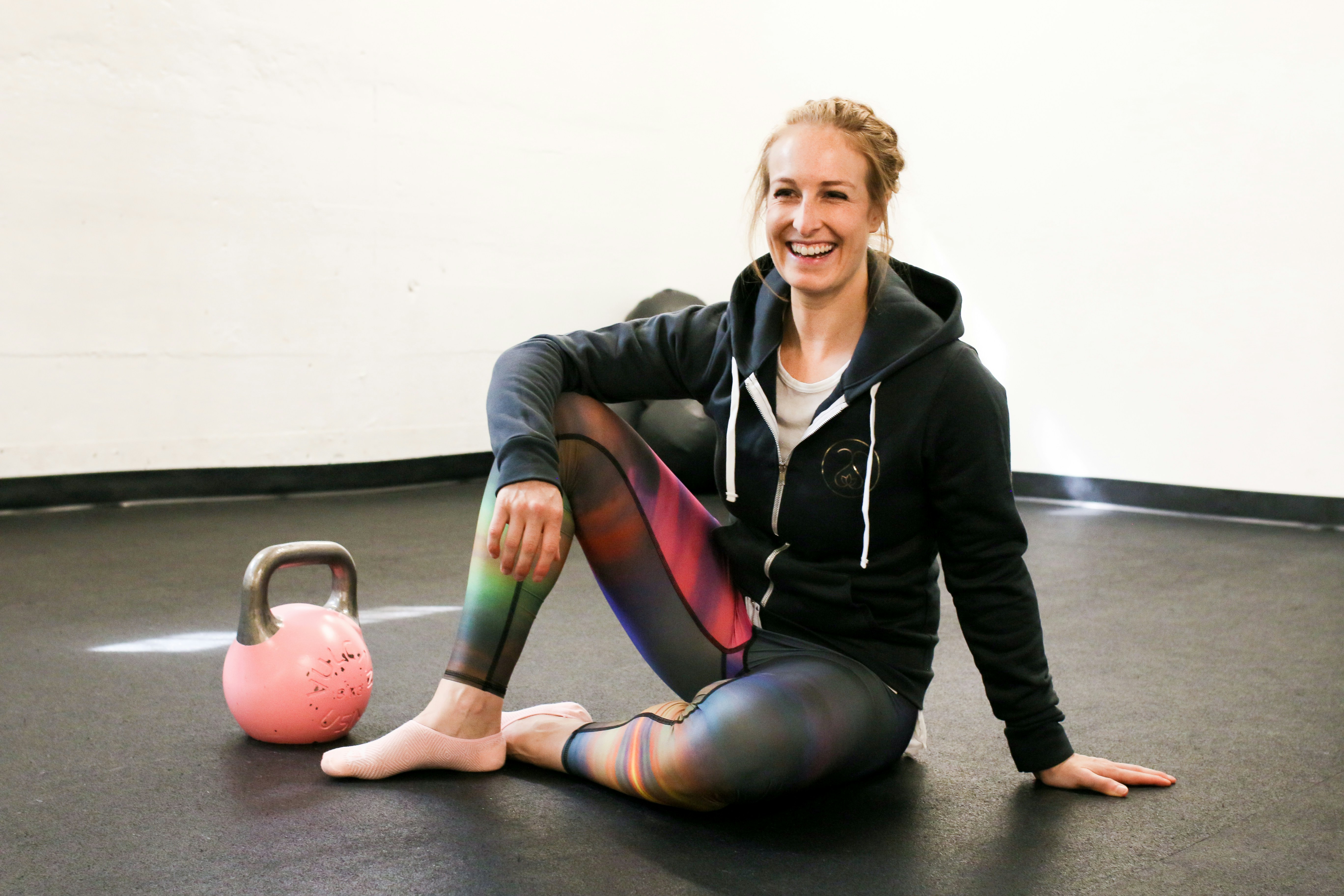
Introduction – Why Home Workouts are Perfect for Beginners
Embarking on a fitness journey can often be intimidating, particularly for beginners who may feel uncertain about where to start. Many new exercisers worry about the perception of their abilities and the challenges of working out in a public setting. However, home workouts present a unique opportunity to ease these concerns. By choosing to exercise in the comfort of their own homes, beginners can enjoy the assurance of privacy and convenience, thus fostering a more relaxed approach to fitness.
One of the significant advantages of home workouts is accessibility. With no need for specialized equipment or a gym membership, individuals can initiate their fitness routines anytime, anywhere. Bodyweight exercises, which utilize an individual’s own weight for resistance, are particularly beneficial for those starting out. These exercises can facilitate weight loss and enhance overall fitness, effectively proving that one does not need access to a gym to achieve health-related goals.
Furthermore, home workouts can be easily tailored to fit varying schedules and fitness levels. This versatility allows beginners to progress at their own pace, gradually increasing intensity as they become more comfortable with the exercises. For most, the key to success lies in consistency and commitment, and home workouts significantly lower the barrier for regular participation. Even those with minimal athletic experience can find suitable exercises to start their journey towards fitness.
Ultimately, by removing barriers such as the need for equipment and the intimidation often found in gyms, home workouts create an inviting atmosphere for beginners. With a wealth of bodyweight exercises available, everyone can embark on their fitness journey effectively and confidently, emphasizing the message that improvement is all about taking the first step.
Warm-up Routine: Start Strong (5 Minutes)
Initiating your home workout with a proper warm-up routine is crucial, especially for beginners. A well-structured warm-up not only helps to elevate your heart rate but also prepares your muscles and joints for the movement ahead. Spending just five minutes on dynamic stretches can enhance your performance and significantly reduce the risk of injury.
Begin your warm-up with a few minutes of light cardio to gradually increase your heart rate. You can perform exercises such as jogging in place or high knees. Engaging in these activities warms up the body and promotes blood flow to the muscles.
Next, proceed to dynamic stretches that involve movement. Arm circles, for instance, are beneficial for loosening shoulder joints. Stand upright with your feet shoulder-width apart and extend your arms out to the sides. Slowly circle your arms forward and then backward for about 30 seconds each. This movement not only warms up the upper body but also enhances your range of motion.
Leg swings are another excellent dynamic stretch to incorporate. Hold onto a wall or sturdy surface for support and swing one leg back and forth in a controlled manner. Repeat this for 30 seconds on each leg. This exercise helps to loosen the hip joints and prepares your lower body for activity.
Lastly, incorporate torso twists. Stand with your feet shoulder-width apart and gently twist your torso to the left and right, allowing your arms to follow the motion. This exercise helps mobilize your spine and engages your core muscles, setting a solid foundation for the forthcoming workout.
Overall, a five-minute warm-up regimen can significantly impact your home workout experience. Investing this time to prepare your body ensures that you perform exercises effectively and reduces the possibility of strains or injuries.
Best Beginner Exercises: A Guide to Bodyweight Movements
Engaging in bodyweight exercises is an excellent way for beginners to build strength, endurance, and overall fitness without needing any equipment. Here are some foundational movements that can be easily incorporated into any home workout routine:
- Squats:
- Muscles Targeted: Quadriceps, hamstrings, glutes.
- Proper Form: Stand with feet shoulder-width apart, bend at the hips and knees, keeping the chest up and core tight, lowering until thighs are parallel to the floor.
- Beginner Modifications: Perform squats to a chair or bench for added support.
- Common Mistakes: Avoid letting knees extend beyond toes and rounding the back.
- Push-ups:
- Muscles Targeted: Chest, shoulders, triceps, core.
- Proper Form: Begin in a plank position; lower body by bending elbows, keeping them close to your sides, then push back to starting position.
- Beginner Modifications: Try push-ups on knees or against a wall.
- Common Mistakes: Ensure hips don’t sag and keep a straight line from head to heels.
- Lunges:
- Muscles Targeted: Quadriceps, hamstrings, glutes, calves.
- Proper Form: Step forward with one leg, lowering hips until both knees are bent at a 90-degree angle, then return to standing.
- Beginner Modifications: Perform stationary lunges or use a wall for balance.
- Common Mistakes: Ensure the front knee does not extend beyond the toes.
- Glute Bridges:
- Muscles Targeted: Glutes, hamstrings, lower back.
- Proper Form: Lie on your back with knees bent and feet flat on the ground; lift hips toward the ceiling while tightening glutes.
- Beginner Modifications: Hold the position for several seconds at the top for added stability.
- Common Mistakes: Avoid arching the back during movement.
- Plank:
- Muscles Targeted: Core, shoulders, back.
- Proper Form: Assume a push-up position, resting on forearms; keep body straight from head to heels.
- Beginner Modifications: Start with knees on the ground.
- Common Mistakes: Avoid letting hips sag or lifting too high.
- Mountain Climbers:
- Muscles Targeted: Core, shoulders, legs.
- Proper Form: Start in a plank position and bring knees alternately towards the chest.
- Beginner Modifications: Slow down the pace or perform the move with hands resting on a table.
- Common Mistakes: Keep hips stable and avoid bouncing.
- Jumping Jacks:
- Muscles Targeted: Full body, including arms, legs, and core.
- Proper Form: Stand straight, jump while spreading legs and raising arms overhead, then return to start.
- Beginner Modifications: Step out to the sides instead of jumping.
- Common Mistakes: Land softly to avoid joint strain.
Incorporating these bodyweight exercises into a regular fitness regimen can greatly benefit beginners. They not only strengthen various muscle groups but also improve stability and overall fitness levels, laying a solid foundation for more advanced workouts in the future.
15-Minute Beginner Workout Plan
This structured workout plan is designed for those new to exercising and requires no equipment. It focuses on fundamental movements that engage major muscle groups, providing a balanced workout in merely 15 minutes. The routine includes warm-up, followed by a series of bodyweight exercises such as squats, push-ups, lunges, and planks. Each exercise should be performed for 30 seconds, followed by a 30-second rest. The 15-minute session can be divided as follows:
- Warm-up: 2 minutes (e.g., jogging in place, arm circles)
- Squats: 30 seconds
- Rest: 30 seconds
- Push-ups: 30 seconds
- Rest: 30 seconds
- Lunges: 30 seconds
- Rest: 30 seconds
- Plank: 30 seconds
- Rest: 30 seconds
- Repeat the circuit one more time
For those who feel ready for a challenge, a more extensive 30-minute workout routine can be embarked upon. This includes two sets of the above exercises along with an additional round of cardio such as jumping jacks or mountain climbers.
To aid in planning, a sample weekly workout schedule could look as follows: Monday: 15-minute beginner workout Wednesday: 30-minute full-body routine Friday: 15-minute beginner workout Saturday: Optional light cardio or yoga for flexibility.
It is essential to address common concerns that beginners may have, particularly regarding workout frequency. Ideally, engaging in workouts three to four times a week allows for adequate recovery and adaptation. Modifications for any exercise can range from adjusting speed to reducing the number of reps to cater to individual fitness levels. Building a habit through consistency is vital; setting reminders and finding a suitable time can significantly enhance one’s commitment to this exercise plan.