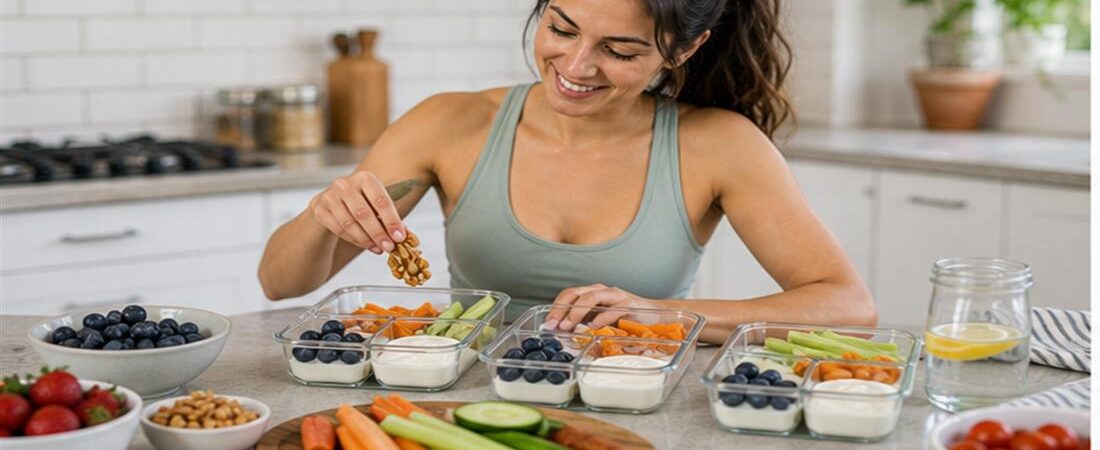
Night snacks can be confusing for people with diabetes. Some readers feel hungry before bed, some worry about waking up with high blood sugar, and others are trying to avoid late-night grazing that turns into a second dinner. The best snacks for diabetics at night are not magic foods. They are small, balanced choices that fit your medication plan, activity level, dinner timing, and personal glucose response.
This guide is educational and should not replace personal medical advice. If you use insulin or medication that can lower blood sugar, your care team should guide your bedtime snack strategy.
When a Night Snack May Help
A bedtime snack may be useful if dinner was early, you exercised in the evening, you tend to wake up hungry, or your clinician has suggested a snack to reduce overnight lows. It may also help when your evening hunger leads to random choices like cookies, chips, sweet coffee drinks, or large portions of cereal.
A snack is less useful when it happens automatically every night without hunger, or when it is mainly a response to stress, boredom, or being tired. In that case, the better fix may be a stronger dinner, a calming evening routine, or a planned dessert portion rather than constant snacking.
The Best Bedtime Snack Formula
For many people, the most reliable formula is protein plus fiber, with a little fat if needed. Protein helps the snack feel satisfying. Fiber slows digestion. Fat can add staying power, but portions matter because fat is calorie dense.
Examples include Greek yogurt with berries, cottage cheese with cucumber, a boiled egg with vegetables, hummus with peppers, a small apple with nut butter, tuna cucumber bites, or a few whole-grain crackers with cheese. If you are comparing snack ideas for daytime too, see Best Snacks for Diabetics and Best Snacks for Insulin Resistance.
Snack Ideas That Feel Like Real Food
Greek yogurt with berries is a simple option because it brings protein, creaminess, and a naturally sweet flavor. Choose plain yogurt if added sugar is an issue, then add cinnamon, berries, or a few nuts. Cottage cheese with tomatoes or cucumber is another easy choice for people who prefer savory snacks.
Hummus with raw vegetables works well when you want crunch. Carrots, celery, cucumber, peppers, and cherry tomatoes add volume without making the snack feel heavy. A boiled egg with cucumber or a few nuts can also work when you want something quick.
If you want something warm, try a small bowl of vegetable soup with added protein, or a cup of unsweetened herbal tea with a protein snack on the side. Warm routines can reduce the urge to keep searching the kitchen for something else.
What to Watch With Fruit
Fruit can fit, but portion and pairing matter. Berries are often easier to fit into a blood sugar-friendly snack because they provide fiber and a smaller carbohydrate load than larger portions of tropical fruit or juice. Apple slices with peanut butter or yogurt with berries may be more satisfying than fruit alone.
Fruit juice is different from whole fruit. Juice is easy to drink quickly and usually lacks the fiber that slows digestion. Unless your clinician recommends juice for a specific low blood sugar plan, it is usually not the best everyday bedtime snack.
Foods to Limit Before Bed
Sugary cereals, pastries, candy, sweetened yogurt, large bowls of ice cream, and sweet drinks can raise blood sugar quickly for many people. Very salty snacks can also make you thirsty and disturb sleep. This does not mean you can never enjoy dessert, but dessert works better when it is planned and portioned, not used as a nightly hunger solution.
A Simple Testing Method
If you monitor glucose, test one snack pattern for several nights before judging it. Keep dinner similar, keep the snack portion similar, and notice fasting numbers, sleep quality, hunger, and digestion. Changing everything at once makes it hard to know what helped.
If your morning glucose is consistently higher or lower than expected, do not guess. Talk with your clinician, especially if medication timing, insulin dosing, or late exercise may be involved.
Bedtime Snack Checklist
- Is the snack planned rather than random?
- Does it include protein?
- Does it include fiber or a vegetable or fruit portion?
- Is the portion small enough to feel like a snack?
- Does it fit your medication and glucose plan?
Bottom Line
The best snacks for diabetics at night are simple, balanced, and personal. Start with protein plus fiber, keep portions modest, and use your own glucose response as feedback. A good snack should support sleep and steadier energy, not create a second dinner or a sugar spike.
How to Personalize the Snack
The same bedtime snack will not work the same way for every person. Some people do better with dairy-based snacks, while others feel better with eggs, hummus, tofu, or nuts. Activity also matters. An evening walk, strength workout, or unusually light dinner can change hunger and glucose response later in the night.
Use a simple note system for one week. Write down the snack, the rough portion, sleep quality, morning hunger, and fasting glucose if you monitor it. This gives you better feedback than guessing from one night. If the pattern is confusing, bring those notes to your clinician or dietitian.
Portion Examples
A bedtime snack is usually small. Think of plain Greek yogurt with a handful of berries, one boiled egg with cucumber, a small apple with a spoon of peanut butter, or hummus with sliced vegetables. If the portion becomes as large as dinner, it may be worth reviewing whether dinner was too light or too early.
Reader FAQ
Should diabetics eat carbs before bed? It depends on the person, medication, and glucose pattern. Some people include a small high-fiber carbohydrate paired with protein. Others do better with mostly protein and vegetables.
Is peanut butter good at night? It can fit in a small portion, especially with apple slices or whole-grain crackers, but it is calorie dense. Measure it until you know what portion works for you.
What if I wake up with high blood sugar? Do not assume the snack is the only cause. Dinner, stress, sleep quality, medication timing, and dawn phenomenon can all matter. Ask your care team for guidance.