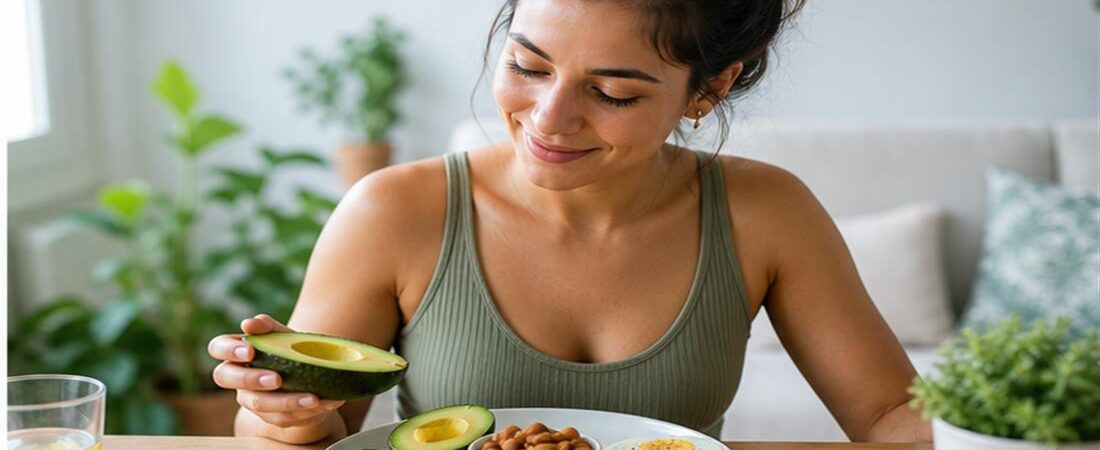
For many women, eating well can feel more complicated than it needs to be. One day the advice is to cut carbs. The next day it is to eat more protein. Then comes another trend about fasting, detoxing, or avoiding entire food groups. The result is often confusion, not confidence.
A simpler and more sustainable place to begin is the balanced plate.
A balanced plate is not a strict diet. It is a flexible way to build meals that provide energy, help you feel satisfied, and support your body through busy days. It works whether you cook at home, pack lunch for work, eat with your family, or need something quick between responsibilities.
For women, this approach can be especially helpful because nutrition needs can shift across life stages. Menstrual cycles, pregnancy, breastfeeding, perimenopause, menopause, activity level, stress, sleep, and medical history can all influence how your body feels. While no single meal can “fix” hormones or guarantee perfect energy, consistent meals built with enough protein, fiber, healthy fats, and key vitamins and minerals can create a stronger foundation.
Start with protein
Protein is often the piece that makes a meal feel complete. It helps support muscle maintenance, fullness, and recovery after exercise. For women who often skip breakfast, rely on coffee, or eat mostly snack foods during a busy day, adding protein can make a noticeable difference in how steady energy feels.
Good options include eggs, Greek yogurt, cottage cheese, chicken, turkey, fish, tofu, tempeh, lentils, beans, edamame, lean beef, and protein-rich dairy or fortified alternatives. You do not need a perfect protein source at every meal, but it helps to ask: “Where is the protein here?”
Examples:
- Oatmeal with Greek yogurt, chia seeds, and berries
- Whole grain toast with eggs and avocado
- Lentil soup with a side salad
- Salmon with brown rice and vegetables
- Tofu stir-fry with noodles and greens
If a meal leaves you hungry quickly, it may be low in protein or fiber. Instead of blaming yourself for “cravings,” look at the structure of the meal.
Fill half the plate with plants
Vegetables and fruits bring fiber, water, vitamins, minerals, and color. Fiber is especially important because it supports digestion and helps meals feel more satisfying. Many women also benefit from regularly eating iron-rich foods, calcium-rich foods, and folate-containing foods, and plant foods can contribute to that bigger picture.
Aim for variety rather than perfection. Leafy greens, peppers, carrots, tomatoes, broccoli, berries, citrus fruits, apples, beans, peas, and squash all count. Frozen vegetables and fruit are useful, affordable, and often just as practical as fresh.
If salads do not excite you, try cooked vegetables instead. Roast broccoli with olive oil and garlic. Add spinach to eggs. Stir frozen peas into rice. Put peppers and mushrooms into pasta sauce. Healthy eating becomes easier when vegetables are part of meals you already enjoy.
Add smart carbohydrates
Carbohydrates are not the enemy. They are one of the body’s main energy sources, and many high-quality carbohydrate foods provide fiber and nutrients. The goal is not to avoid carbs, but to choose them with intention.
Good options include oats, brown rice, quinoa, potatoes, sweet potatoes, whole grain bread, whole wheat pasta, beans, lentils, fruit, and yogurt. These foods can be especially helpful for active women, women who feel tired in the afternoon, or women who find themselves overeating later after under-eating earlier in the day.
The portion can change depending on your hunger, activity, and goals. A woman training regularly may need more carbohydrate than someone with a mostly sedentary routine. The key is to avoid one-size-fits-all thinking.
Do not forget fats
Healthy fats help meals taste better and support fullness. They also help the body absorb certain vitamins. Olive oil, avocado, nuts, seeds, nut butter, salmon, sardines, and eggs can all be part of a balanced pattern.
Fat is calorie-dense, so portions matter, but avoiding fat completely usually makes meals less satisfying. A drizzle of olive oil, a spoon of peanut butter, a few slices of avocado, or a small handful of nuts can make a simple meal feel more complete.
Build meals around real life
A balanced plate does not need to look perfect on Instagram. It can be simple:
- Breakfast: Greek yogurt, berries, oats, and walnuts
- Lunch: Chicken, quinoa, cucumber, tomato, spinach, and olive oil dressing
- Dinner: Beans, rice, roasted vegetables, and salsa
- Snack: Apple with peanut butter, or carrots with hummus
It is also fine if some meals are more practical than beautiful. A tuna sandwich with fruit is a meal. Scrambled eggs with toast is a meal. Leftovers can be a balanced lunch. The point is consistency, not performance.
A gentle note on hormones
Nutrition can support the body, but it should not be sold as a cure for hormonal issues. If you have irregular periods, severe fatigue, heavy bleeding, sudden weight changes, hair loss, ongoing digestive symptoms, or symptoms that disrupt your life, it is worth speaking with a qualified health professional.
Food matters, but it is one part of the picture. Sleep, stress, movement, medical care, and mental health matter too.
The takeaway
For women who want to eat better without falling into restrictive dieting, the balanced plate is a reliable starting point. Build most meals with protein, plants, smart carbohydrates, and satisfying fats. Keep it flexible. Repeat the meals that work. Adjust based on your body, schedule, and life stage.
Healthy eating should make your life feel more supported, not more controlled.
Make it work on a normal weekday
The most useful version of this topic is the one that survives a busy day. Instead of aiming for a perfect menu, build a small repeatable system: one protein option, one fiber-rich carbohydrate or vegetable base, one healthy fat, and one flavor booster. This gives enough variety without forcing you to cook from scratch every time.
For example, a balanced meal built from protein, fiber, healthy fats, and colorful plants can be adapted into breakfast, lunch, or a snack depending on the article topic. Keep two easy backups ready, such as yogurt and fruit, canned fish with crackers and vegetables, tofu with rice, or soup with extra protein. Backups prevent one missed grocery trip from turning into several days of random eating.
Small action step
Choose one meal from this article and make it twice this week. Change only one ingredient the second time so you learn what keeps the habit easy.
Related Check Nourish Guides
- Anti-Inflammatory Meal Prep for Busy Women: A 5-Day Lunch Plan
- High Protein Lunch Ideas for Weight Loss: Easy Work Meals for Women
- Magnesium Glycinate vs Citrate for Sleep: Which Is Better for Women?
- Best Snacks for Diabetics at Night: Blood Sugar-Friendly Choices Before Bed
- Collagen vs Whey Protein for Women: Which Supplement Fits Your Goal?
- Best Digestive Enzymes for Bloating in Women: What to Know Before Buying