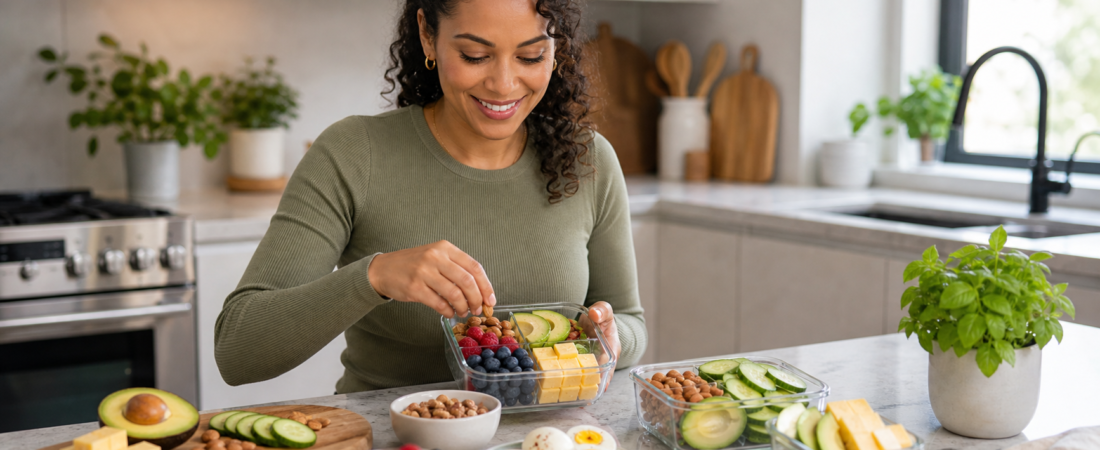
Keto snacks are popular because low carb eating can feel easier when you have quick options ready. The best keto snacks for women are not just low in carbohydrates. They should also feel satisfying, support energy, and fit your real routine. A snack that is technically keto but leaves you hungry or uncomfortable is not very useful.
What Makes a Snack Keto-Friendly?
Keto-friendly snacks are usually low in carbohydrates and higher in fat or protein. Examples include eggs, cheese, avocado, nuts, seeds, olives, tuna, salmon, Greek yogurt in small portions, low carb vegetables, and meat or tofu-based options. The exact carbohydrate target depends on the person and the plan.
Simple Keto Snack Ideas
Boiled eggs with avocado, cucumber slices with tuna, celery with almond butter, cheese with olives, turkey roll-ups, smoked salmon with cucumber, chia pudding, cottage cheese in a controlled portion, or nuts with unsweetened tea can all work. Low carb vegetables with a creamy dip can also be satisfying.
If you prefer sweet snacks, choose carefully. Many “keto” packaged sweets use sugar alcohols or fibers that can cause digestive discomfort for some people.
Label Tips Before Buying
Packaged keto snacks can be convenient, but read labels. Check serving size, total carbohydrates, fiber, sugar alcohols, calories, protein, and ingredients. Some products are marketed as keto but are easy to overeat or may not provide much nutrition.
A good snack should help you reach the next meal calmly. If it makes you crave more snacks, it may not be the best everyday choice.
Keto Snacks for Weight Loss
Low carb does not automatically mean weight loss. Portions still matter, especially with nuts, cheese, oils, and fat bombs. These foods can be healthy but calorie dense. If weight loss is the goal, choose snacks that include protein and volume, such as eggs with vegetables or tuna cucumber boats.
Who Should Be Careful With Keto?
People with diabetes, kidney disease, pregnancy, breastfeeding needs, eating disorder history, or medication that affects blood sugar should speak with a healthcare professional before following a ketogenic diet. Low carb diets can change medication needs and energy levels.
How to Make Keto More Nutrient-Dense
Include low carb vegetables, seeds, fish, eggs, tofu, olive oil, avocado, and fermented foods if tolerated. A keto routine built only on processed snacks, bacon, and cheese may be low in fiber and micronutrients.
Bottom Line
The best keto snacks for women are simple, satisfying, and realistic. Focus on protein, healthy fats, low carb vegetables, and labels that make sense. Keto snacks should support your routine, not replace balanced meals.
Meal Prep for Keto Snacks
Preparing snacks ahead makes low carb eating easier. Boil eggs, portion nuts, wash cucumbers and peppers, prepare tuna salad, or make chia pudding without added sugar. When options are ready, it is easier to avoid packaged snacks that may not fit your goals.
Keep variety in mind. If every snack is cheese or nuts, calories can add up quickly and fiber may stay low. Rotate vegetables, seafood, eggs, tofu, avocado, seeds, and fermented foods when tolerated.
Signs a Keto Snack Is Not Working
If a snack leaves you tired, constipated, overly hungry, or craving more food quickly, adjust it. You may need more protein, more vegetables, more fluids, or a less processed choice. Keto should still support overall well-being, not just carbohydrate targets.
What to personalize
Advice for low carb meals that still feel balanced needs personalization. Some people tolerate oats well; others do better with yogurt, eggs, tofu, beans, or a smaller portion of grains. The pattern that matters is your response after the meal: energy, hunger, cravings, digestion, and, when available, glucose readings.
Avoid cutting fiber too low or treating keto snacks as unlimited foods. Instead, test one change at a time. Add protein to breakfast for a week, change snack composition the next week, or adjust dinner carbohydrates after that. Small experiments create clearer feedback than overhauling the whole diet overnight.
Safety note
This content is educational. If you have diabetes, insulin resistance, are pregnant, or take medication, use your care team for personal targets and medication-safe changes.
Build the meal around blood sugar stability
For low carb meals that still feel balanced, the goal is not to make every meal tiny or joyless. A more useful approach is to pair carbohydrates with protein, fiber, and fat so digestion is slower and the meal feels satisfying. Start with a protein anchor, add non-starchy vegetables, choose a measured carbohydrate if it fits your plan, and finish with a fat source such as avocado, olive oil, nuts, or seeds.
A practical plate could include eggs or tofu, salmon, chicken, avocado, leafy greens, Greek yogurt, nuts, berries, olives, and vegetables. This style works because it gives structure without pretending every person has the same glucose response. If you monitor blood sugar, compare your own numbers after different meals. If you use glucose-lowering medication, do not make major carbohydrate changes without medical guidance.
Safety note
This content is educational. If you have diabetes, insulin resistance, are pregnant, or take medication, use your care team for personal targets and medication-safe changes.
A one-day test you can try
Try one simple experiment before changing everything. Build one meal or snack around this idea: a lunch box with chicken or tofu, vegetables, avocado, berries, and a measured portion of beans or grains. Then notice hunger, energy, cravings, digestion, and how easy the choice was to repeat. The result gives you better feedback than copying a strict plan from someone else.
Reader FAQ
Do I need a strict plan? Usually no. A strict plan can help for a short period, but most readers do better with a clear pattern and flexible swaps.
What is the safest first step? Start with food quality and consistency. If you use diabetes medication, keep your clinician involved before making major carbohydrate changes.
Related Check Nourish Guides
- Anti-Inflammatory Meal Prep for Busy Women: A 5-Day Lunch Plan
- High Protein Lunch Ideas for Weight Loss: Easy Work Meals for Women
- Magnesium Glycinate vs Citrate for Sleep: Which Is Better for Women?
- Best Snacks for Diabetics at Night: Blood Sugar-Friendly Choices Before Bed
- Collagen vs Whey Protein for Women: Which Supplement Fits Your Goal?
- Best Digestive Enzymes for Bloating in Women: What to Know Before Buying