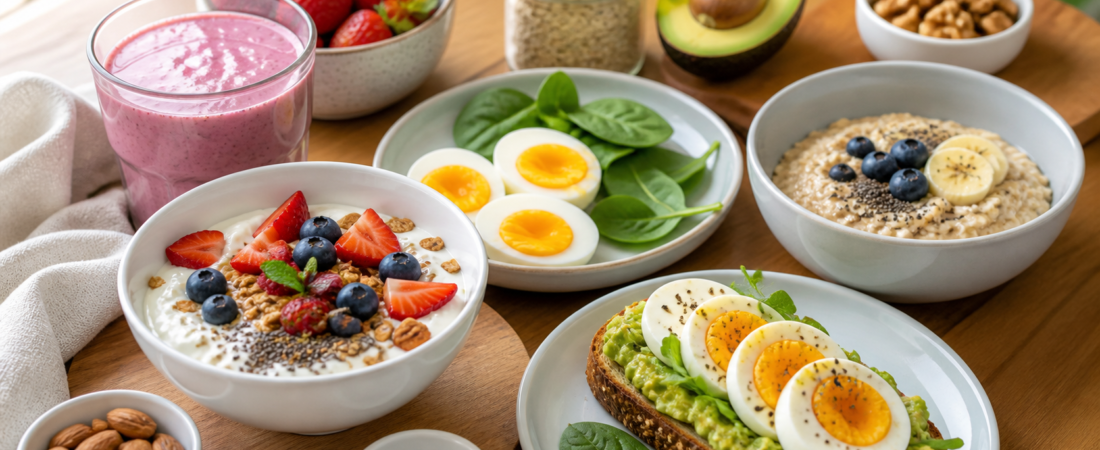
A healthy breakfast can shape the rest of your day. When your morning meal is rich in protein, it can help you feel fuller for longer, support steady energy, and reduce the urge to snack on sugary foods before lunch.
For anyone trying to lose weight naturally, breakfast does not need to be complicated or restrictive. The goal is simple: combine protein, fiber, and whole-food ingredients in a way that tastes good and keeps you satisfied.
Why Protein at Breakfast Matters
Protein is one of the most important nutrients for appetite control. Compared with a breakfast made mostly of refined carbohydrates, a protein-rich meal digests more slowly and may help stabilize blood sugar levels. This can make it easier to avoid energy crashes and cravings later in the day.
Protein also supports lean muscle mass, which matters for long-term weight management. When combined with regular movement and balanced meals, a high-protein breakfast can be a practical habit for better health.
How Much Protein Should You Eat in the Morning?
A good target for many adults is around 20 to 30 grams of protein at breakfast. Your personal needs may vary depending on your body size, activity level, health goals, and medical history, but this range is a useful starting point for building a more filling morning meal.
1. Greek Yogurt With Berries and Chia Seeds
Greek yogurt is naturally high in protein and pairs well with berries, chia seeds, and a small handful of nuts. This breakfast is quick, refreshing, and rich in fiber. Choose plain Greek yogurt to avoid added sugar, then add fruit for natural sweetness.
2. Scrambled Eggs With Spinach
Eggs are one of the easiest protein sources for breakfast. Scramble two or three eggs with spinach, tomatoes, or mushrooms for extra nutrients. If you want a more balanced meal, serve them with whole-grain toast or avocado.
3. Protein Oatmeal
Oatmeal is usually known for its fiber, but you can easily increase the protein. Stir in Greek yogurt, cottage cheese, protein powder, or nut butter after cooking. Add cinnamon and berries for flavor without relying on too much sugar.
4. Cottage Cheese Bowl
Cottage cheese is high in protein and works well in both sweet and savory breakfasts. Try it with sliced peaches and walnuts, or make a savory bowl with cucumber, tomatoes, black pepper, and a drizzle of olive oil.
5. Protein Smoothie With Banana and Peanut Butter
A smoothie can be a balanced breakfast when it includes enough protein. Blend milk or unsweetened soy milk with protein powder, banana, peanut butter, and ice. For more fiber, add spinach, chia seeds, or ground flaxseed.
6. Avocado Egg Toast
Avocado toast becomes more filling when you add eggs. Use whole-grain bread, mashed avocado, and one or two boiled or poached eggs. This combination offers protein, healthy fats, and fiber in one simple meal.
7. Turkey or Chicken Breakfast Wrap
A whole-grain wrap with turkey, chicken, eggs, or cottage cheese can be a convenient breakfast when you need something portable. Add greens and vegetables to make it more nourishing and satisfying.
8. Tofu Scramble
Tofu scramble is a great plant-based option. Crumble firm tofu into a pan with turmeric, black pepper, onions, peppers, and spinach. Serve it with whole-grain toast or roasted potatoes for a balanced meal.
9. Overnight Oats With Protein
Overnight oats are easy to prepare in advance. Mix oats with Greek yogurt or milk, chia seeds, and a protein source of your choice. Leave it in the fridge overnight, then add berries or sliced banana in the morning.
10. Smoked Salmon Toast
Smoked salmon on whole-grain toast with cream cheese or avocado can provide protein and healthy fats. Add cucumber, lemon, and herbs for freshness. If you are watching your sodium intake, choose salmon in moderation.
Common Breakfast Mistakes to Avoid
Many breakfast choices seem healthy but are low in protein and high in added sugar. Sweet cereals, pastries, flavored yogurts, and coffee drinks can leave you hungry soon after eating. A better approach is to build your plate around a clear protein source first, then add fiber-rich carbohydrates and healthy fats.
Final Thoughts
A high-protein breakfast does not need to be expensive or difficult. Simple meals like eggs with vegetables, Greek yogurt bowls, protein oatmeal, or tofu scramble can make healthy eating feel easier and more sustainable.
If your goal is weight loss, focus on consistency rather than perfection. Start with one protein-rich breakfast you enjoy, repeat it a few times per week, and build from there.
Choose simple before advanced
Most people do not need complicated timing rules to benefit from protein quality, fullness, and muscle support. Start with a protein-rich meal within a few hours of training, carbohydrates when the session is longer or harder, and enough water across the day. Supplements can help in specific cases, but they should not distract from these basics.
Avoid buying by marketing claims instead of checking serving size, sugar, calories, and tolerance. The best fitness nutrition plan is the one you can repeat while still enjoying normal meals, social events, and rest days.
Practical checkpoint
If your plan supports better sessions, calmer hunger, and steadier recovery, it is doing its job. If it adds stress without improving those outcomes, simplify it.
What to avoid overdoing
More effort is not always better. With everyday meal planning, people often add too many rules at once and then cannot tell what helped. Start with one change, repeat it for several days, and adjust from there. This keeps the routine flexible enough to survive work, travel, family meals, and imperfect grocery weeks.
Reader FAQ
Do I need a strict plan? Usually no. A strict plan can help for a short period, but most readers do better with a clear pattern and flexible swaps.
What is the safest first step? Start with food quality and consistency. The plan should reduce friction, not create rigid rules that make normal eating stressful.
Related Check Nourish Guides
- Anti-Inflammatory Meal Prep for Busy Women: A 5-Day Lunch Plan
- High Protein Lunch Ideas for Weight Loss: Easy Work Meals for Women
- Magnesium Glycinate vs Citrate for Sleep: Which Is Better for Women?
- Best Snacks for Diabetics at Night: Blood Sugar-Friendly Choices Before Bed
- Collagen vs Whey Protein for Women: Which Supplement Fits Your Goal?
- Best Digestive Enzymes for Bloating in Women: What to Know Before Buying