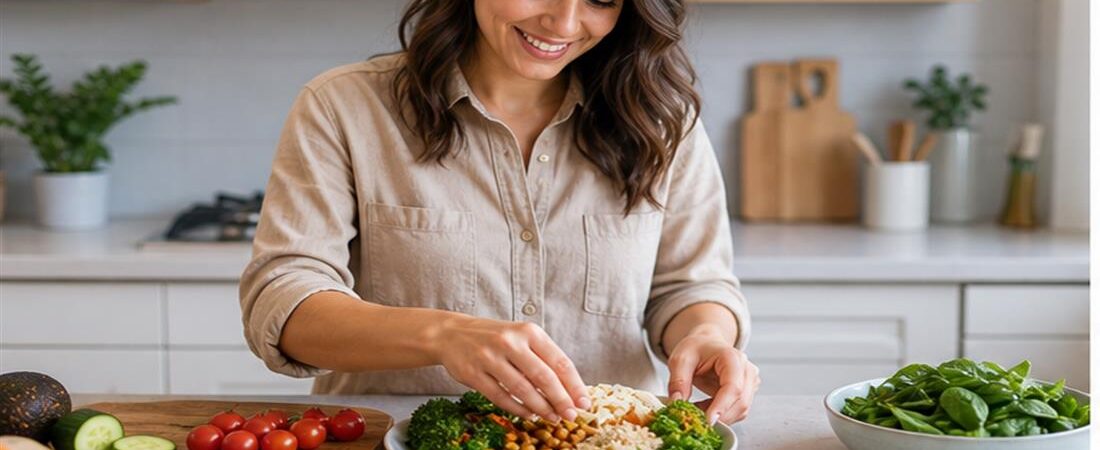
An Ozempic diet plan should focus on nourishment, not restriction. Ozempic and similar medications can reduce appetite, which may help some people eat less. But lower appetite does not automatically mean better nutrition. When food intake drops, every meal matters more. The goal is to protect protein, fiber, hydration, and essential nutrients while supporting healthy weight loss.
Start With Protein
Protein is one of the most important nutrients to prioritize during weight loss. It supports fullness and helps maintain muscle while body weight changes. Good protein choices include eggs, Greek yogurt, cottage cheese, fish, chicken, turkey, tofu, beans, lentils, and protein smoothies made with simple ingredients.
If your appetite is low, begin meals with protein. A few bites of chicken, yogurt, eggs, or tofu can be more useful than filling up first on bread, pasta, or snack foods.
Add Fiber Slowly
Fiber supports digestion, cholesterol, fullness, and blood sugar balance. Helpful sources include berries, oats, chia seeds, beans, lentils, vegetables, apples, and whole grains. However, some people experience nausea, bloating, or constipation while taking GLP-1 medications. Increase fiber gradually and drink enough fluids.
Choose Smaller Balanced Meals
Large heavy meals may feel uncomfortable when appetite is reduced. Smaller balanced meals can work better. A simple plate might include grilled fish, roasted vegetables, and a small portion of rice. Another option is Greek yogurt with berries and nuts, or soup with beans and vegetables.
Try to avoid skipping food all day and eating one large meal at night. That pattern can worsen discomfort and make nutrition less balanced.
Foods That May Feel Better
Many people tolerate simple meals best: lean proteins, cooked vegetables, soups, smoothies, oats, potatoes, rice, yogurt, fruit, and mild seasonings. Greasy foods, very large portions, alcohol, and heavy desserts may increase nausea for some people.
Hydration Matters
Lower appetite can also mean lower fluid intake. Keep water nearby and consider hydrating foods such as fruit, soup, and yogurt. If constipation is an issue, hydration, movement, and fiber all matter.
What About Weight Loss Speed?
Fast weight loss can sound appealing, but aggressive restriction may lead to fatigue, nutrient gaps, muscle loss, and rebound eating. A better target is a routine you can maintain. If you are losing weight quickly and struggling to eat enough, contact your healthcare provider.
Safety Note
This article is educational and does not replace medical advice. If you use Ozempic, Wegovy, Mounjaro, insulin, diabetes medication, or medication for another condition, ask your healthcare professional what nutrition approach is appropriate for you.
Bottom Line
The best Ozempic diet plan is simple: protein first, fiber from real foods, smaller balanced meals, enough fluids, and professional guidance when needed. The medication may change appetite, but daily habits still shape long-term health.
Sample Meal Ideas
Breakfast might be scrambled eggs with spinach and a slice of whole-grain toast, or Greek yogurt with berries and ground flax. Lunch could be chicken soup with vegetables, a tuna salad bowl, or tofu with rice and cooked vegetables. Dinner could be turkey chili, salmon with potatoes, or a simple lentil bowl.
If nausea is present, bland and smaller meals may be easier: oatmeal, soup, yogurt, bananas, rice, eggs, or toast with a protein source. Avoid forcing large meals, but also avoid going too long without nutrients. Small balanced meals can protect energy while appetite is lower.
How to Protect Muscle During Weight Loss
Weight loss from any method can include muscle loss if protein and strength activity are too low. Add protein to each meal and include gentle resistance training if your healthcare provider says it is appropriate. Walking, light weights, bodyweight exercises, and consistency can all help preserve strength.
Think of the medication as one part of the plan. Food quality, hydration, movement, sleep, and medical follow-up still matter. A good routine should leave you feeling more stable, not depleted.
Snack timing matters as much as snack choice
With eating well while appetite is lower on GLP-1 medication, a snack can help or hurt depending on timing. If lunch is too light, a planned snack can prevent overeating later. If snacks happen all afternoon from stress or boredom, the better fix may be a stronger lunch, more hydration, or a real break away from the screen.
Choose snacks that combine textures and nutrients: creamy plus crunchy, protein plus fiber, or fresh plus savory. Examples include yogurt with berries, hummus with vegetables, cottage cheese with fruit, eggs with cucumber, or nuts with a small piece of fruit. Watch nausea, constipation, energy, protein intake, and whether meals are sustainable rather than only calories, because the most useful snack is the one that improves the next few hours.
Safety note
This content is educational. If you have diabetes, insulin resistance, are pregnant, or take medication, use your care team for personal targets and medication-safe changes.
Signs the approach is working
You do not need a perfect scorecard. Look for practical signs: steadier hunger, fewer energy crashes, better digestion, easier meal decisions, and less urgency around food. If the habit supports those outcomes, it is probably worth keeping. If it adds stress without improving your day, simplify the plan.
Reader FAQ
Do I need a strict plan? Usually no. A strict plan can help for a short period, but most readers do better with a clear pattern and flexible swaps.
What is the safest first step? Start with food quality and consistency. If you use diabetes medication, keep your clinician involved before making major carbohydrate changes.
Related Check Nourish Guides
- Anti-Inflammatory Meal Prep for Busy Women: A 5-Day Lunch Plan
- High Protein Lunch Ideas for Weight Loss: Easy Work Meals for Women
- Magnesium Glycinate vs Citrate for Sleep: Which Is Better for Women?
- Best Snacks for Diabetics at Night: Blood Sugar-Friendly Choices Before Bed
- Collagen vs Whey Protein for Women: Which Supplement Fits Your Goal?
- Best Digestive Enzymes for Bloating in Women: What to Know Before Buying