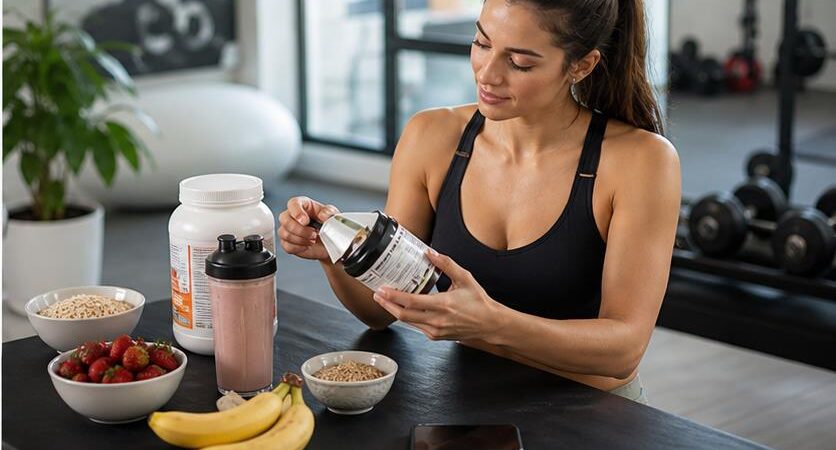
Protein powder can be useful after workouts, but it is not automatically necessary for every woman. The real question is whether it helps you reach your daily protein target in a convenient way. If you already eat enough protein from meals, you may not need a powder. If you struggle to eat after training, rush from the gym to work, or want a quick smoothie, protein powder can be a practical tool.
This guide is written for women comparing protein powders with a buyer-intent mindset. It explains what to look for, how much protein is reasonable, which ingredients deserve attention, and which claims should make you cautious. It is not medical advice. If you have kidney disease, allergies, digestive conditions, pregnancy-related needs, or a prescribed diet, ask a qualified professional before adding supplements.
Start With Your Goal
The best protein powder depends on why you want it. For muscle recovery, look for a powder with a strong protein dose and a complete amino acid profile. For weight management, look for protein that keeps you full without excessive added sugar. For sensitive digestion, look for a formula with fewer ingredients. For plant-based eating, compare pea, rice, soy, or blended plant proteins.
Do not buy based only on influencer recommendations or dramatic before-and-after marketing. A good protein powder should have a clear label, realistic claims, and a taste you can actually tolerate. Consistency matters more than hype.
Whey, Plant, or Collagen?
Whey protein is popular because it mixes well and is naturally rich in essential amino acids. Whey isolate usually has more protein per serving and less lactose than whey concentrate, which may be helpful for some people. Plant protein can be a good option for those avoiding dairy. Blends often improve texture and amino acid balance compared with single-source plant powders.
Collagen peptides are not the same as a full post-workout protein powder. Collagen can fit a wellness routine for some people, but it is not ideal as the only protein source for muscle repair because it is not a complete protein in the same way whey, soy, or balanced plant blends can be. If your goal is workout recovery, prioritize complete protein first.
How Much Protein After a Workout?
Many women do well with a post-workout serving that provides around 20 to 30 grams of protein, depending on body size, training intensity, and total daily intake. More is not always better. What matters most is your daily pattern across meals. A protein shake after training will not compensate for an otherwise low-protein day, and it will not create results without consistent training, sleep, and adequate calories.
If you use protein powder in a smoothie, avoid turning it into a sugar-heavy dessert unless that matches your energy needs. A balanced smoothie could include protein powder, unsweetened milk, berries, spinach, and a small amount of nut butter or chia seeds. For higher-calorie needs, add oats or banana. For lighter goals, keep the fruit moderate and focus on protein plus fiber.
Ingredients to Check Before Buying
Look for protein per serving, added sugar, sweeteners, serving size, allergen information, and third-party testing when available. If a powder has a very long ingredient list, ask whether those extras are useful to you. Greens blends, digestive enzymes, adaptogens, and fat burners may sound appealing, but they are not always necessary and may raise the price.
Be cautious with products that promise rapid fat loss, hormone fixes, detox effects, or guaranteed body transformation. A protein powder should support your nutrition, not replace a balanced diet or make medical claims. If the product relies on urgency, exaggerated claims, or hidden proprietary blends, compare alternatives.
Possible Side Effects
Some people experience bloating, gas, nausea, or acne flare-ups with certain protein powders. The issue may be lactose, sweeteners, gums, serving size, or simply a product that does not suit your digestion. Try a smaller serving first. Mixing with water instead of milk may help, or switching from whey concentrate to isolate may be easier for some people.
Plant proteins can also cause digestive discomfort, especially if they include added fibers or sugar alcohols. If you are sensitive, choose a simple formula and build up slowly. Supplements should make your routine easier, not create new problems.
How to Choose the Best Option
Choose a protein powder that fits your diet, budget, digestion, and taste. A good starting point is a product with 20 to 30 grams of protein per serving, moderate calories, low added sugar, clear ingredients, and a flavor you can use in more than one recipe. If you are comparing products, calculate cost per serving and protein per dollar, not just container price.
Protein powder is a convenience food with a supplement label. It can be helpful, but it is not magic. The best protein powder for women after workouts is the one that helps you meet your protein needs consistently while fitting into a realistic, enjoyable routine.
Related Check Nourish Guides
- Anti Inflammatory Salmon Lunch Bowl: Easy Meal Prep for Busy Women
- Best Snacks for Insulin Resistance at Work: Blood Sugar Friendly Ideas
- High Protein Yogurt Bowl for Weight Loss: A Filling Breakfast Guide
- Anti-Inflammatory Meal Prep for Busy Women: A 5-Day Lunch Plan
- High Protein Lunch Ideas for Weight Loss: Easy Work Meals for Women
- Magnesium Glycinate vs Citrate for Sleep: Which Is Better for Women?