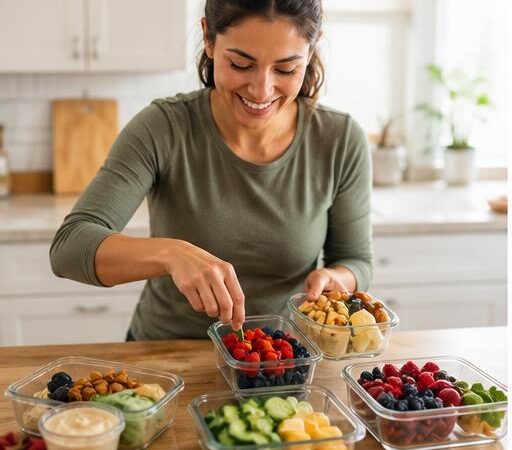
Afternoon snacks can be tricky when you are thinking about blood sugar. You may want something quick, but many convenient snacks are mostly refined carbohydrates. A diabetic-friendly snack does not have to be boring. The key is pairing carbohydrates with protein, fiber, and healthy fats so the snack is more satisfying and less likely to leave you hungry soon after.
This article is general education. If you have diabetes, use insulin, take glucose-lowering medication, are pregnant, or have a prescribed meal plan, follow your clinician’s advice and monitor your response.
The Smart Snack Structure
A useful snack usually includes a protein source, a fiber source, and sometimes a small fat source. Protein may come from Greek yogurt, cottage cheese, eggs, tuna, turkey, tofu, edamame, cheese, or hummus. Fiber can come from vegetables, berries, apples, beans, lentils, chia seeds, or whole-grain crackers. Healthy fats can come from nuts, seeds, avocado, or olive oil.
Portion size still matters. Nuts are nutritious, but a large handful can become calorie-dense quickly. Fruit can fit, but pairing it with protein often works better than eating it alone.
Snack Box Ideas
Try cucumber slices, hummus, a boiled egg, and berries. Another option is cottage cheese with cherry tomatoes and a few whole-grain crackers. Greek yogurt with chia seeds and raspberries can be a sweet option with protein and fiber. Turkey roll-ups with avocado and bell pepper strips make a savory, low-prep snack.
If you want shelf-stable choices, consider roasted chickpeas, tuna packets, nut packs, seed crackers, or a lower-sugar protein bar. Always read labels because products vary widely.
What to Watch on Labels
Check total carbohydrates, fiber, protein, added sugars, and serving size. Some snacks look small but contain multiple servings. Others use sugar alcohols that may cause digestive discomfort. A snack with some carbohydrates can still be appropriate when balanced, but a snack with very little protein or fiber may not hold you long.
Drinks deserve attention too. Sweet coffee drinks, juice, energy drinks, and smoothies can deliver carbohydrates quickly. If you want a smoothie, make it protein-forward with unsweetened milk, protein, berries, and fiber rather than juice and sweetened yogurt.
How to Avoid the 3 PM Crash
Plan your snack before you are starving. If lunch was small, the afternoon snack may need to be more substantial. If lunch was balanced, a lighter snack may be enough. Pay attention to energy, hunger, mood, and cravings after different combinations.
The best diabetic-friendly snacks are practical, repeatable, and enjoyable. A planned snack can help you avoid random grazing and make the next meal easier to choose calmly.
How to Choose Snacks Away From Home
When you are buying snacks outside the house, look for combinations rather than single foods. A coffee shop may have Greek yogurt, eggs, nuts, cheese, or a small protein box. A convenience store may have tuna packets, nuts, cheese sticks, jerky, hummus cups, or plain yogurt. The goal is to avoid choosing only chips, candy, pastries, or sweet drinks when you are already tired.
If you want fruit, pair it. Apple with peanut butter, berries with yogurt, or a small banana with a protein shake can be more satisfying than fruit alone. If you choose crackers, pair them with tuna, cheese, hummus, or turkey. This turns the snack into a more balanced mini-meal.
Snack Timing and Hunger
Some people need an afternoon snack because lunch is early or small. Others snack from habit, stress, or boredom. Before choosing, ask whether you are physically hungry, mentally tired, thirsty, or seeking a break. If you are hungry, eat a structured snack. If you are stressed, take a brief walk or drink water first, then decide.
Blood sugar friendly eating is not about never eating carbohydrates. It is about context. Carbohydrates usually work better when they come with protein, fiber, and fat. Your personal response matters, so monitor according to your care plan if you have diabetes.
Make a Repeatable Snack List
Create a short list of five snacks you genuinely like. Keep two at work, two at home, and one in your bag when possible. A predictable snack system can prevent the rushed choices that happen when hunger arrives faster than planning.
How to Personalize Portions
The right snack size depends on your meal timing, activity, medication plan, and hunger level. A person who ate a protein-rich lunch may need only a small yogurt or nuts. Someone who had an early lunch may need a more complete snack box. The best guide is your own pattern over time: energy, hunger, cravings, and glucose response when relevant.
Keep snacks simple enough to repeat. When a snack requires too many steps, it usually disappears from the routine. A reliable snack that is easy to pack is more useful than a perfect snack you never prepare.
Related Check Nourish Guides
- Best Probiotic Foods for Gut Health and Bloating: A Food First Guide
- Magnesium Glycinate Dosage for Sleep: What Women Should Know
- High Protein Meal Prep for Weight Loss: A Practical Weekday Guide
- Best Protein Powder for Women After Workouts: What to Look For
- Anti Inflammatory Salmon Lunch Bowl: Easy Meal Prep for Busy Women
- Best Snacks for Insulin Resistance at Work: Blood Sugar Friendly Ideas