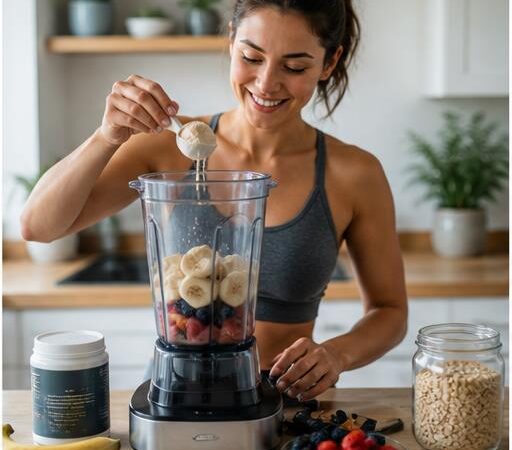
A meal replacement smoothie can support weight loss when it is built like a real meal. The problem is that many smoothies are either too light to satisfy hunger or so loaded with juice, sweeteners, and extras that they become more like dessert. A better smoothie has protein, fiber, healthy fats, and enough volume to feel complete.
Meal replacement smoothies are not required for weight loss. They are simply convenient. They can be useful after a workout, during busy mornings, or when you need a controlled option instead of skipping meals. If you have diabetes, kidney disease, digestive disorders, pregnancy-related needs, or a history of disordered eating, personalize this with professional guidance.
The Smoothie Formula
Start with protein. Use Greek yogurt, cottage cheese, tofu, whey protein, plant protein, or a protein-rich milk. Add fiber from berries, chia seeds, flaxseed, oats, spinach, or avocado. Add liquid such as unsweetened milk or water. Add flavor with cinnamon, vanilla, cocoa, or a small amount of fruit.
If the smoothie replaces a meal, it should usually contain more than just fruit and ice. A fruit-only smoothie may taste refreshing, but it often does not keep you full. Protein and fiber are what make it more meal-like.
Ingredients to Use Carefully
Nut butter, coconut milk, granola, honey, dates, and large bananas can all fit, but they add calories quickly. Calories are not bad, but they should be intentional. If your goal is weight loss, measure calorie-dense ingredients instead of pouring freely.
Protein powders vary. Choose one with clear ingredients, enough protein per serving, and a taste you like. Avoid relying on powders that promise rapid fat loss or contain stimulant blends you do not understand.
Three Smoothie Examples
A berry protein smoothie can include protein powder, unsweetened milk, frozen berries, spinach, chia seeds, and cinnamon. A chocolate oat smoothie can include protein powder, cocoa, oats, banana, and milk. A creamy green smoothie can include Greek yogurt, avocado, spinach, lemon, cucumber, and a small amount of fruit.
Texture matters. Frozen fruit makes smoothies thicker. Chia seeds thicken after sitting. Oats make the smoothie more filling. If your smoothie is too thin, it may not feel like a meal even if the nutrition is decent.
What to Avoid
Avoid turning every smoothie into a massive blend of every healthy ingredient you own. More ingredients can mean more calories and more digestive discomfort. Also avoid replacing too many meals with smoothies unless you are following a structured plan. Chewing real food matters for satisfaction.
A meal replacement smoothie works best as one tool, not the whole diet. Use it when convenience helps, then rely on balanced meals the rest of the day.
How to Make a Smoothie More Filling
If your smoothie leaves you hungry quickly, increase protein first. Then add fiber. Then adjust fat. For example, use a full protein serving, add chia seeds or oats, and include a small amount of nut butter or avocado. If the smoothie is still too light, pair it with a boiled egg, cottage cheese, or whole-grain toast depending on your goals.
Volume also helps. Frozen berries, ice, spinach, zucchini, and Greek yogurt can make a smoothie thicker without relying only on calorie-dense ingredients. Drinking slowly matters too. If you finish a smoothie in two minutes, your body may not register it like a meal.
Store-Bought Smoothies Need Extra Attention
Many store-bought smoothies are high in sugar and low in protein. They may contain juice, sweetened yogurt, syrups, or large fruit portions. Before buying, check the nutrition information when available. Look for protein, fiber, and added sugar. If the smoothie is mostly carbohydrates, consider adding a protein source or choosing a different meal.
Ready-to-drink meal replacements can be convenient, but compare labels carefully. Some are useful, some are expensive, and some are not very filling. A good option should make your routine easier and help you stay consistent, not create cravings an hour later.
Use Smoothies Strategically
A smoothie can be a breakfast, post-workout meal, or emergency option on a busy day. It should not replace the skill of building balanced meals. Use it where it solves a real problem, then rely on whole foods for most meals.
Buyer Tips for Protein Powders and Ready Shakes
If you buy a powder or ready shake, compare protein per serving, added sugar, calories, fiber, allergens, and serving cost. A high price does not always mean a better formula. Look for clear labels and avoid products that depend on dramatic fat-loss claims. For weight management, the product should help you feel full and make the day easier, not replace every healthy habit.
Taste matters too. If you dislike the flavor, you will not use it consistently. Start with a smaller container when possible, and test it with the ingredients you actually plan to use.
Related Check Nourish Guides
- Best Diabetic Friendly Snacks for Afternoon Energy
- Best Probiotic Foods for Gut Health and Bloating: A Food First Guide
- Magnesium Glycinate Dosage for Sleep: What Women Should Know
- High Protein Meal Prep for Weight Loss: A Practical Weekday Guide
- Best Protein Powder for Women After Workouts: What to Look For
- Anti Inflammatory Salmon Lunch Bowl: Easy Meal Prep for Busy Women